
CPAP and Power Outages: The Complete Battery Backup Guide (2026)
Most outage planning is about comfort. This page is about the exception: the machine next to the bed that treats obstructive sleep apnea, and the tens of millions of people whose therapy simply stops when the grid does. A CPAP is a small, steady, overnight load—which makes it the single easiest critical device to keep alive, and the one where doing the math matters most. One night of backup costs less than a copay; a week of it fits in a carry-on. This is the guide.
- The math is friendly: a CPAP without its heated humidifier draws roughly 25–35 W at typical pressures—about 240 Wh for a full 8-hour night. A 1 kWh station = ~4 nights.
- The humidifier triples the bill. Heated humidifier + heated tube via AC pushes a night toward ~600 Wh. During an outage: pre-warm, then unplug it—or size the battery for it deliberately.
- Buy the maker’s DC cable. ResMed, Philips, and most major brands sell a 12/24 V car-style cable for your exact machine. It skips the inverter and its ~15% loss entirely.
- Best structure: a station with UPS/EPS pass-through (<20–30 ms switchover) permanently between wall and machine—you sleep through the cut; the machine never reboots. Same trick as the router UPS, scaled up.
- Never run it off a car’s starter battery overnight—you may trade apnea for a dead alternator and a morning walk.
A necessary note: this is electrical planning, not medical advice. Apnea therapy settings and tolerating a humidifier-free night are questions for your sleep physician; battery gear itself is a question of watts, and that part we can do exactly. Verify your own machine’s draw with a plug-in watt meter before relying on any figure here.
What a Night of CPAP Actually Costs (in Watts)
CPAP power consumption is dominated by three things: pressure, the humidifier, and conversion losses. A machine at 8–12 cmH2O without humidification averages in the neighborhood of 30 W; the heated humidifier and heated tube add 40–60 W more; running everything through an AC inverter burns another ~15% of the battery turning DC into AC and back. You control each of those dials:
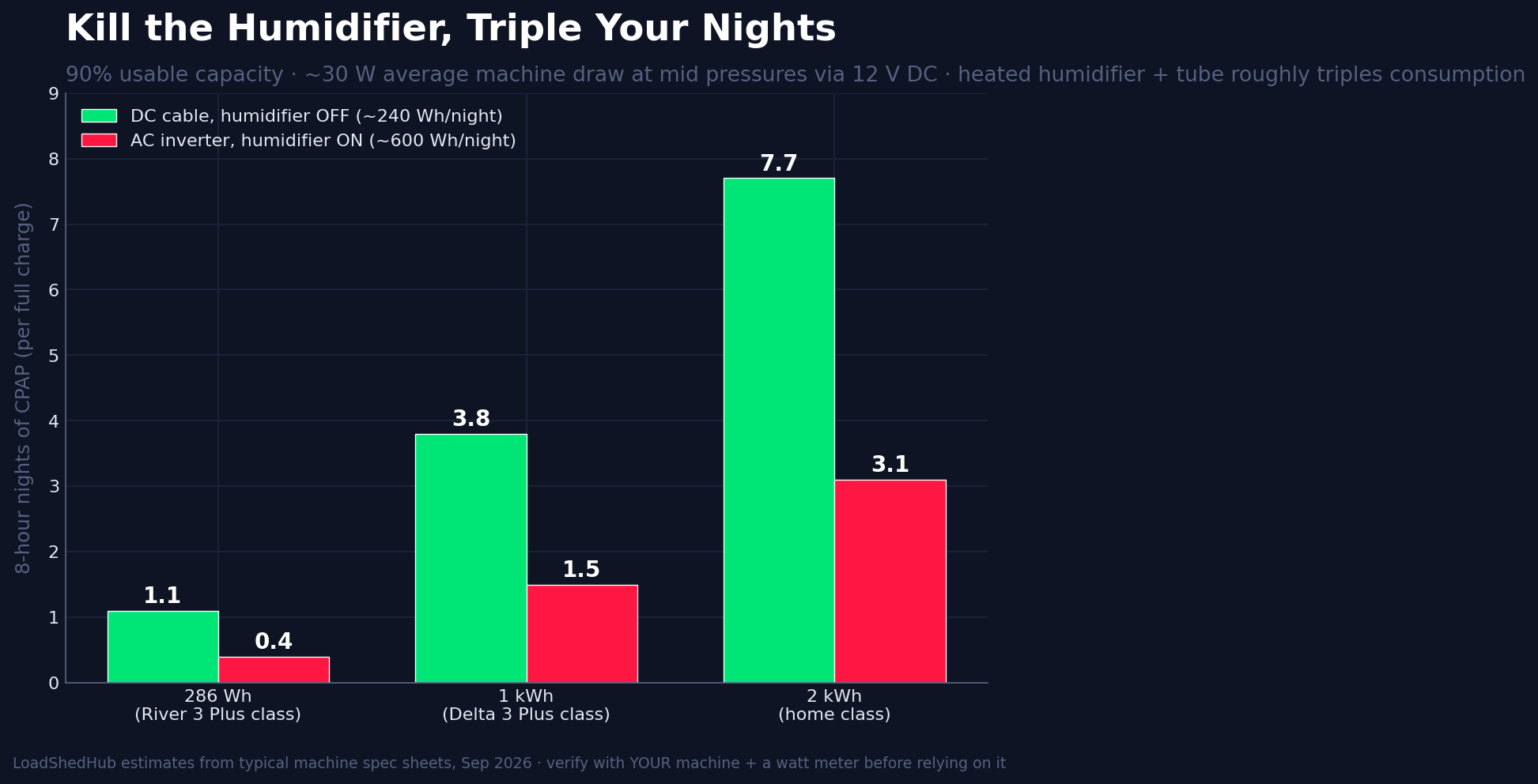
That chart is the whole strategy in one picture: the cheapest battery upgrade is a setting change. Many users pre-warm the humidifier water before bed and run the night dry when the grid is unstable; others only attach the humidifier in deep-winter. Your machine, your doctor, your trade-off—but know the price of each choice in watt-hours before the outage, not during.
Sizing Your Backup (Five Minutes, Once)
- Read the label. The back of your CPAP states a DC input (e.g., 24 V 2.71 A ≈ 65 W maximum). Maximum is not average—at your pressure it will run lower—but it’s the honest worst case for sizing.
- Measure one night. A $15 watt-meter between the wall and the machine for two or three nights gives you your real Wh/night, humidifier habits included. Every other number in your plan flows from this one.
- Pick your nights. Outages you plan around (scheduled load shedding, a PSPS warning, a forecast storm): 1–2 nights. Long-grid-failure country or medical caution: 3–7 nights, which at ~240 Wh/night means 1–2 kWh of station.
- Cross-check surge and ports. Any station here handles CPAP wattage trivially; what you’re really choosing is capacity, DC/car output, and pass-through. The station guide and the runtime calculator do the arithmetic for any other device you add.
The DC Cable Is the Cheat Code
Every major CPAP maker sells (and third parties replicate) a DC power cable for the machine—usually 12 V car-plug or XT60 style on one end, brand-specific barrel on the other. Using it instead of the AC adapter + inverter stack does three things at once: it removes the ~15% inverter loss, removes the AC brick’s idle draw, and lets small stations (even a 300–500 Wh unit) become genuine multi-night CPAP batteries. Check compatibility for your exact machine and pressure setup before buying—ResMed and Philips use different voltages across model generations, and the wrong cable is worse than no cable.
The Picks (2026)
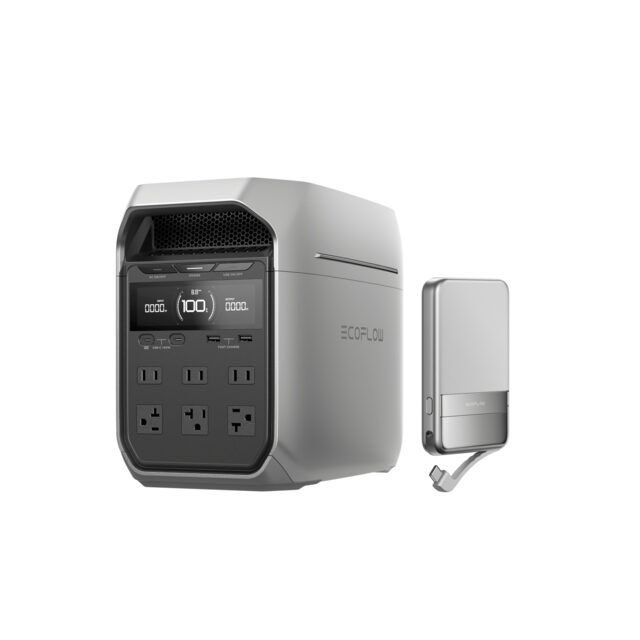
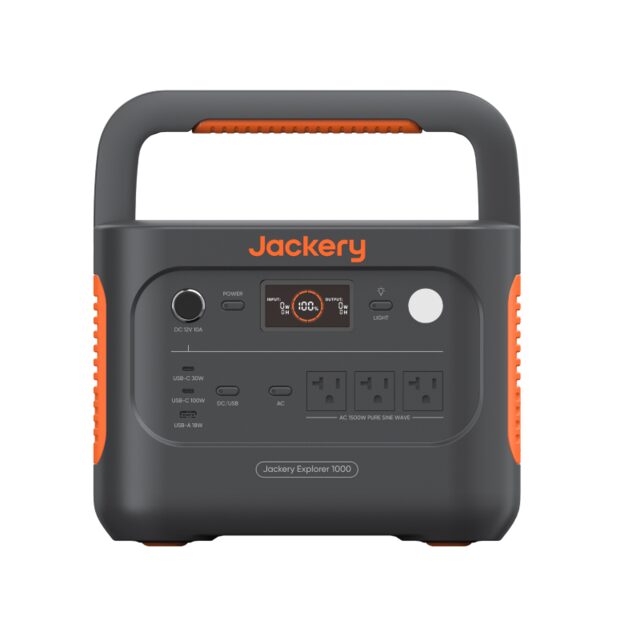
Prices move; capacity classes don’t. Any reputable LiFePO4 station with a car-port/DC output, a UPS/EPS mode, and the Wh class you sized will do this job—the picks above are the ones our station testing keeps landing on.
Making It Survive the Worst Week
Solar is the CPAP owner’s quiet advantage: a 200 W folding panel feeds even a 2 kWh station a full CPAP night’s worth of charge every hour of decent sun. The pairing logic (panel sizing, tilt, winter derating) lives in the solar generator guide. Generators, by contrast, are a daytime tool here: run one (outside, always) by day to refill the station, then let the station run the bedroom in silence at night—the full fuel-vs-battery trade-off is in generator vs power station. And if you’re assembling the household plan around a medical device, start from the complete outage checklist and slot the CPAP battery line first.
The Bottom Line
A CPAP is the rare critical device that’s cheap to protect: ~240 Wh a night without the humidifier, a DC cable that makes every watt count, and a pass-through station that turns outages into a morning anecdote. Do the watt-meter test this week, pick your nights, and the therapy stops being something the grid can interrupt.
Next: best portable power stations | runtime calculator | router & fiber UPS | best solar generators